
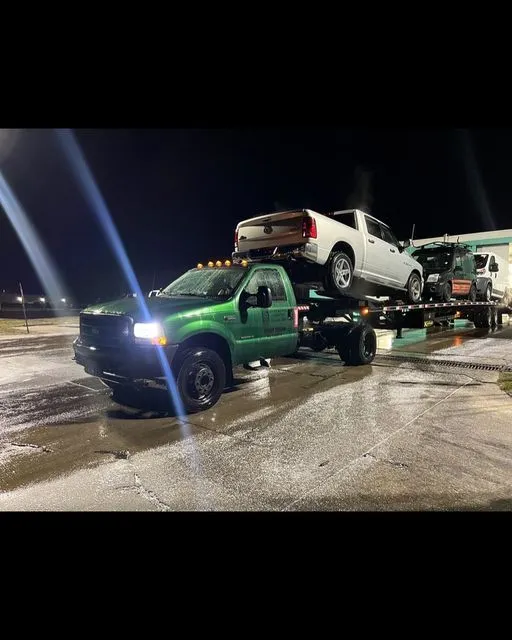
State-to-State Auto Transport: A Complete Car Shipping Guide
Moving a vehicle between states can be a convenient alternative to driving it yourself. Whether you are relocating for work, buying a vehicle online, sending a car to a family member, or planning an extended stay in another state, professional auto transport can help simplify your arrangements.
State-to-state auto transport involves moving a vehicle from one state to another using a suitable vehicle carrier. The process typically includes requesting a quote, confirming shipping arrangements, preparing the vehicle, coordinating pickup, and inspecting it at delivery.
Why Consider State-to-State Car Shipping?
Driving a vehicle across several states can involve fuel expenses, accommodation, meals, mileage, time away from work, and vehicle wear. Auto transport offers an alternative that may be useful when you need to travel separately or when a vehicle is not convenient to drive over a long distance.
The best option depends on the route, your schedule, the vehicle’s condition, and the total cost of each alternative.
Step 1: Choose Your Transport Method
Most customers begin by comparing open and enclosed auto transport.
Open transport is a common option for standard cars, SUVs, and other eligible vehicles. It generally offers a lower-cost shipping method.
Enclosed transport provides a covered environment and additional protection from weather and road debris. It is often considered for classic, luxury, exotic, or collectible vehicles.
Your vehicle type, protection preferences, and budget can help determine which option to request.
Step 2: Provide Accurate Vehicle and Route Details
When requesting a quote, share your pickup and delivery ZIP codes, vehicle year, make and model, operating condition, and preferred pickup dates.
Be sure to mention unusual dimensions, modifications, or special loading requirements. Incomplete information can affect the accuracy of an estimate and may create problems when the carrier arrives.
Ask whether your quote is a firm price or an estimate, what services it includes, and what circumstances could result in additional charges.
Step 3: Understand Pickup and Delivery Scheduling
Transport schedules depend on distance, route conditions, carrier availability, weather, traffic, and the time required to collect other vehicles along the route.
A pickup window is not always the same as a guaranteed pickup time. Likewise, an estimated transit time should not be treated as a guaranteed delivery date unless the terms expressly state otherwise.
If your move has a fixed deadline, explain it before booking and confirm the arrangements in writing.
Step 4: Prepare Your Vehicle
Before pickup, remove personal belongings and loose accessories, check for leaks or mechanical issues, and follow the carrier’s instructions regarding fuel levels and vehicle preparation.
Clean the vehicle sufficiently to make existing scratches, dents, and other damage easier to identify. Take dated photographs from several angles and document the vehicle’s condition with the carrier during the pickup inspection.
Keep the keys and any required documents available. Ask in advance about the carrier’s policies for inoperable vehicles and items left inside a vehicle.
Step 5: Review the Vehicle at Delivery
When the vehicle arrives, inspect it carefully before signing the final condition documentation. Compare its condition with the pickup inspection report and your photographs.
If you notice new damage, document it on the delivery paperwork, take photographs, and notify the relevant transport provider promptly. Follow the applicable claim procedure and keep copies of all records.
Retain your quote, booking confirmation, payment receipts, inspection reports, and communications until the shipment is fully resolved.
What Affects State-to-State Shipping Costs?
Pricing depends on the distance between locations, vehicle size, vehicle condition, transport type, route popularity, seasonal demand, carrier availability, and requested scheduling.
Open transport generally costs less than enclosed transport. Larger vehicles and non-operational vehicles may require additional space or equipment.
Request a quote based on the actual vehicle and route rather than relying solely on generic online estimates.
Plan Your Interstate Shipment with GoldenPath Transport Company
GoldenPath Transport Company helps customers explore state-to-state auto transport options, along with open, enclosed, and door-to-door vehicle shipping.
If you are arranging a move from Spring Hill, Florida, or shipping a vehicle to another state, contact us to discuss the route, preferred schedule, vehicle details, and available options.
Call (352) 747-9075 to begin planning your shipment.