
Open vs. Enclosed Car Transport: Which Should You Choose?
When arranging vehicle shipping, one of the most important decisions is choosing between open and enclosed car transport. Both methods move vehicles from one location to another, but they differ in cost, exposure to the elements, carrier availability, and the types of vehicles they may suit.
Understanding these differences can help you select a transportation option that fits your budget and vehicle requirements.
What Is Open Car Transport?
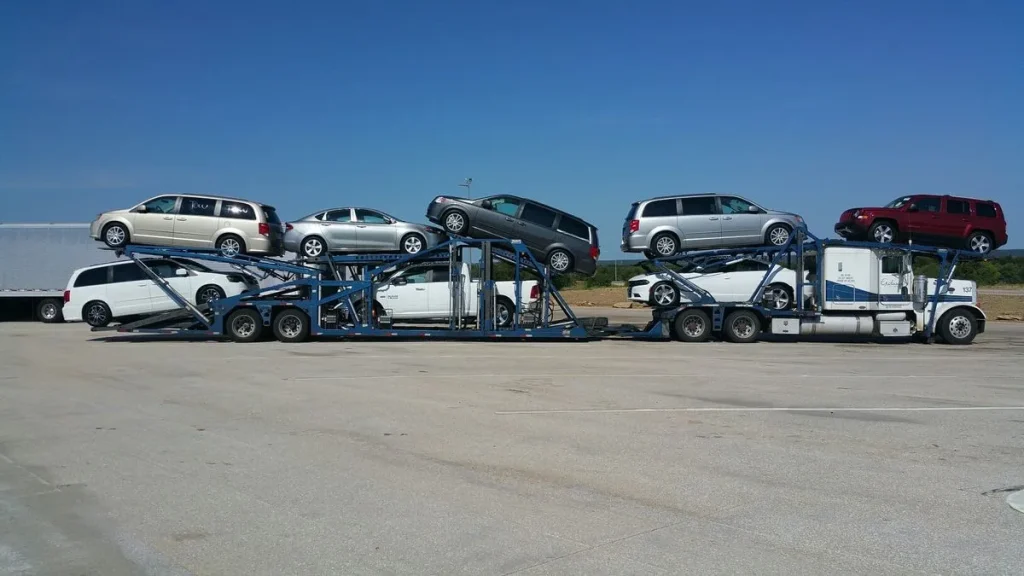
Open car transport uses a carrier with an exposed vehicle platform. Multiple vehicles can be loaded onto the same truck, making this a widely used method for everyday auto shipping.
Because the vehicles are exposed to outdoor conditions, they may encounter rain, dust, wind, and ordinary road debris during transit. This exposure is similar to what vehicles experience during normal road use, although the transport environment and duration vary.
Benefits of Open Transport
Cost-conscious shipping: Open transport is often more affordable than enclosed shipping.
Broad availability: Open carriers are commonly used for standard vehicle shipments and may offer more scheduling options on popular routes.
Suitable for everyday vehicles: Many sedans, SUVs, and pickup trucks can be transported using an appropriate open carrier.
Open transport is worth considering if you want a practical way to move a standard vehicle without paying for enclosed protection.
What Is Enclosed Car Transport?
Enclosed car transport places a vehicle inside a covered trailer during transportation. The enclosed environment provides an additional barrier against weather, road debris, and outdoor exposure.
This method is often considered for classic cars, collector vehicles, exotic cars, luxury vehicles, and automobiles with special finish or preservation requirements.
Benefits of Enclosed Transport
Additional environmental protection: The covered trailer helps shield the vehicle from rain, dust, and road debris.
Specialty vehicle suitability: Enclosed shipping may be appropriate for vehicles whose owners want additional protection during transit.
Greater peace of mind for some owners: For a valuable or carefully maintained vehicle, the added protection may justify the additional expense.
Enclosed transport does not eliminate every transportation risk. Vehicle condition documentation, appropriate loading, and clear shipping terms remain important.
How Do the Costs Compare?
Open car transport generally costs less because open carriers are widely used and can accommodate multiple vehicles efficiently.
Enclosed transport often costs more because enclosed trailers have different equipment, capacity, and operating requirements. Actual prices depend on distance, vehicle dimensions, route demand, pickup timing, and carrier availability.
Instead of comparing price alone, consider what the quote includes, whether special handling is necessary, and how much additional protection matters for your vehicle.
Which Method Is Right for Your Vehicle?
Open transport may be a good choice if you are shipping a standard daily driver, family car, or vehicle purchased from another state.
Enclosed transport may be worth considering if you own a classic car, collectible vehicle, exotic automobile, or another vehicle for which additional environmental protection is a priority.
Your choice should reflect the vehicle’s condition, value, transportation requirements, budget, and personal preferences.
Questions to Ask Before Booking
Before confirming your shipment, ask about the carrier type, estimated pickup window, expected transit time, insurance arrangements, inspection procedures, payment terms, and cancellation policy.
Confirm whether the quoted price is final or subject to specified changes. Also, clarify whether the vehicle must be operational and whether personal items are permitted inside it.
Choose a Suitable Shipping Option with GoldenPath Transport Company
GoldenPath Transport Company provides open and enclosed car transport options for customers planning vehicle shipments from Spring Hill, Florida, and other eligible routes.
Whether you are moving a standard vehicle or arranging transport for a specialty car, share your vehicle details and destination to discuss the most suitable shipping approach.
Call (352) 747-9075 to request information about your auto transport options.